I have a suspicious that you guys are too used to stable life. You never know what might happen. Really, 1000 euros is too much to have at home just in case you need to urgently leave the country or something?
4 Likes
I wonder if something similar exists in the USA. If not, then I’d say that they have a very legitimate right to be worried about a bank going out of business and millions of normal citizens losing their money.
Apart from that, I totally agree with you, but I have to say that the worry of technical problems, hackers/fraud, or lack of power, has surfaced again due to the recession and it is not being peddled by fringe conspiracies, but the governments themselves are out to promote energy saving campaigns “or else there might be trouble”.
Going to the ATM and getting a couple of hundred euros and putting them in a drawer is all this takes.
A lot of people have some cash lying around due to the bank run during the capital controls.
On the practical side of things people keep around 1000 euros for medical emergencies (for the possible “fakelaki” - to the foreigners, this means giving extra money under the table to the doctor. This was usually done via putting the money in a small folder and discreetly passing it to the doctor, ergo the “fakelaki” which means small folder) or home emergencies (plumbers, electricians and builders do not carry a POS).
Also, if you are in the countryside, how do you think everyone is getting paid for agricultural services? Via cash. That might explain the people that have more than 1000 euros even in their pockets (I’ve seen some of them go to buy bread and put out a huge BRICK of cash, just to locate 5 euros.  Of course they do that on purpose to show off, but it is always the farmers that do that)
You assume that we can have that kind of money lying around 
Have a look at this:
2 Likes
I don’t know many people who can save 1000 euros after they pay the bills and feed the kids, but anyway.
What I think is that if something serious happens and I need to leave the country, I’ll most likely end up in a sinking boat and my kidneys and eyeballs will be marked for sale. Maybe it is too grim of me to think like that, but this is how I feel about it.
Also, the probability of, say, a catastrophe happening is less evident than a scammer or a burglar getting all the money I keep at home, or me dying in a fire because I had so much money at home that I refused to leave it on time, or dying in a flood because I needed time to collect all the cash from its various hiding places at home.
True, but I don’t have to like it. 
I find it generally easier to pay electronically and I favour this kind of transactions whenever I can.
I think the local souvlaki businesses went online because of me
As for capital controls, I was using bank transactions and debit cards already, so I didn’t see much difference in daily life.
4 Likes

Apparently, you and I lived a very different past two years.
Before the first lockdown, most small shops near my home would not accept payment by debit card for an amount under 10 or 15 euros.
Then with the first lockdown, there was a period where every shop owner seemed to be afraid that cash was infected with covid, so all shops started accepting debit card for any amount, and putting up signs saying “Please pay by debit card, please avoid cash.”
People got used to paying by card instead of cash. Now, many people walk around not carrying any cash at all. All in all, in my city in the past two years, we’ve moved much closer to a cashless society.
2 Likes
Each crisis has its own trials and tribulations … covid made people hesitate to touch items once held by other people, now the recession, the crypto crash and the possible power crisis along with the war, has made people want something tangible in their hands.
Here there was one week when people shied away from cash and that was it.
Most people thought better of it because money is a sensitive issue and they came to the conclution that it made no sense.
What difference did it make if people gave cash to each other or all pressed the same dial to input their pins? If you really think about it, the dials were actually worse according to the data people had at the time.
Indeed this would make no difference. But here we generally can pay by debit card up to about 50 euros “without contact”.
1 Like
I saw many shop owners actually wiping the 10-digit keys with disinfectant after each customer. I’ve never seen people wipe money with disinfectant.
Of course this was temporary, they stopped wiping it after a few months.
But something else changed.
Before lockdown, few shops had a debit card terminal equipped with the “no contact” feature, where the customer doesn’t need to enter their code when paying by card. And since the lockdown, ALL shops have debit card terminal equipped with that feature. And it’s compatible with paying by phone, if you have your bank’s app on your phone. This also contributes a lot to making it easier to pay without cash.
2 Likes
But who controls cash?
It seems to me that government does. At any moment government can decide that the notes everyone has are now worthless and only new blue dollars are legal tender. How does holding cash help you?
Plus if things are so bad that money is inaccessible then you probably don’t need it anyway. You’ll be bartering something useful for food soon enough and you can’t eat cash…
I’m not sure that I’ve used cash for anything this year. I’m seriously struggling to think of an occasion where I’d be forced to.
Buskers use contactless… What possible use for cash even is there?!
And I realise that this is a symptom of my privilege but I’m not sure that enabling people to live without cash is a bad thing.
4 Likes
Physical Goban but streaming for music and films because otherwise discs etc. take up too much room!
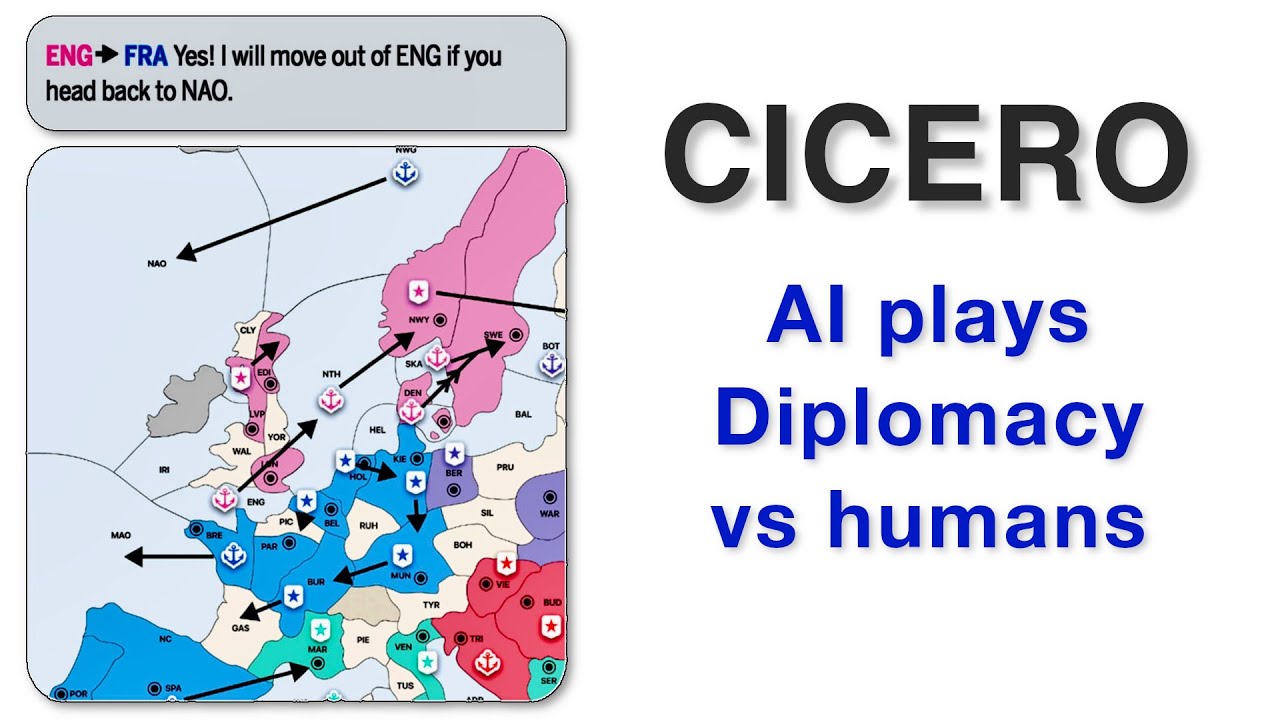
Human-level play in the game of Diplomacy by combining language models with strategic reasoning
https://www.science.org/doi/10.1126/science.ade9097
3 Likes
At first, I read this as clocks, for which I prefer mechanical and specifically of the cuckoo variety.
I think that government issued cash will exist as long as there exist corrupt politicians that prefer to receive their bribes in cash.
3 Likes
4 Likes
It seems that the battle for the city of Bakhmut in Eastern Ukraine is intensifying because it has become a prestige project for the Russian side, where both Chechen commander Kadyrov and Wagner mercenary commander Prigozhin are now trying to prove they can outperform the regular Russian military.
Controlling this city is said to be strategically important in the battle of the Donbas region, but the front line in the Donetsk province has moved very little since the start of the invasion and Bakhmut has remained under Ukrainian control. The stagnated frontline in Eastern Ukraine seems similar to the trench warfare situation in Northern France during WW I (Im Westen nichts Neues), with no progress being made while heavy losses keep accumulating on both sides from intense and continuous shelling.
The images from Bakhmut are also similar to WW I images from Northern France.


3 Likes
Higher power: So people, what did you learn from previous mistakes?
People: 


4 Likes
I use both. I read tons of books from the libraries, and tons of ebooks on a reader. I must admit I’m wary of buying books though, because I live in a small studio so I wouldn’t be able to store the books.
On a physical goban. The online experience doesn’t even come close. But it’s convenient to find opponents.
For the most important stuff, I do both. I don’t trust google but there are other alternatives.
That probably depends what we’re talking about. For a service, a subscription can make sense. But for books, music, films, etc., anything that looks like a DRM makes me want to puke.
Yeah, clocks and watches that don’t need electricity are the best!
Changing the old notes to the new notes before anything like this happens is not really difficult for the aforementioned normal amounts of money (you can just go to the bank and they can exchange 1000 euros/dollars to new notes). Apart from that, the government issuing an “effective immediate” de-circulation of trillions worth of banknotes would crash the economy within seconds.
You are assuming that preppers do not stock that kind of stuff too.
Subscription services like Adobe’s are a scurge and if people didn’t really need their products they would sink like a rock.
Bad news for whoever likes electronic locks. Most of them suck:
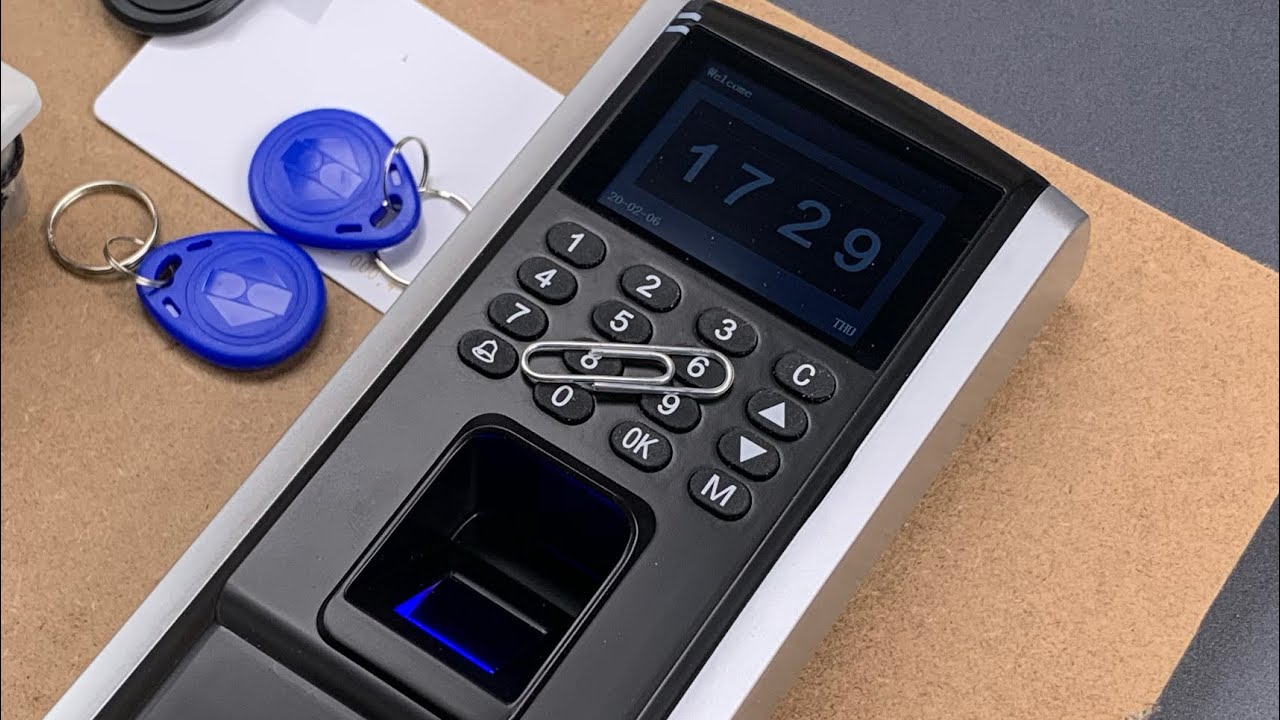
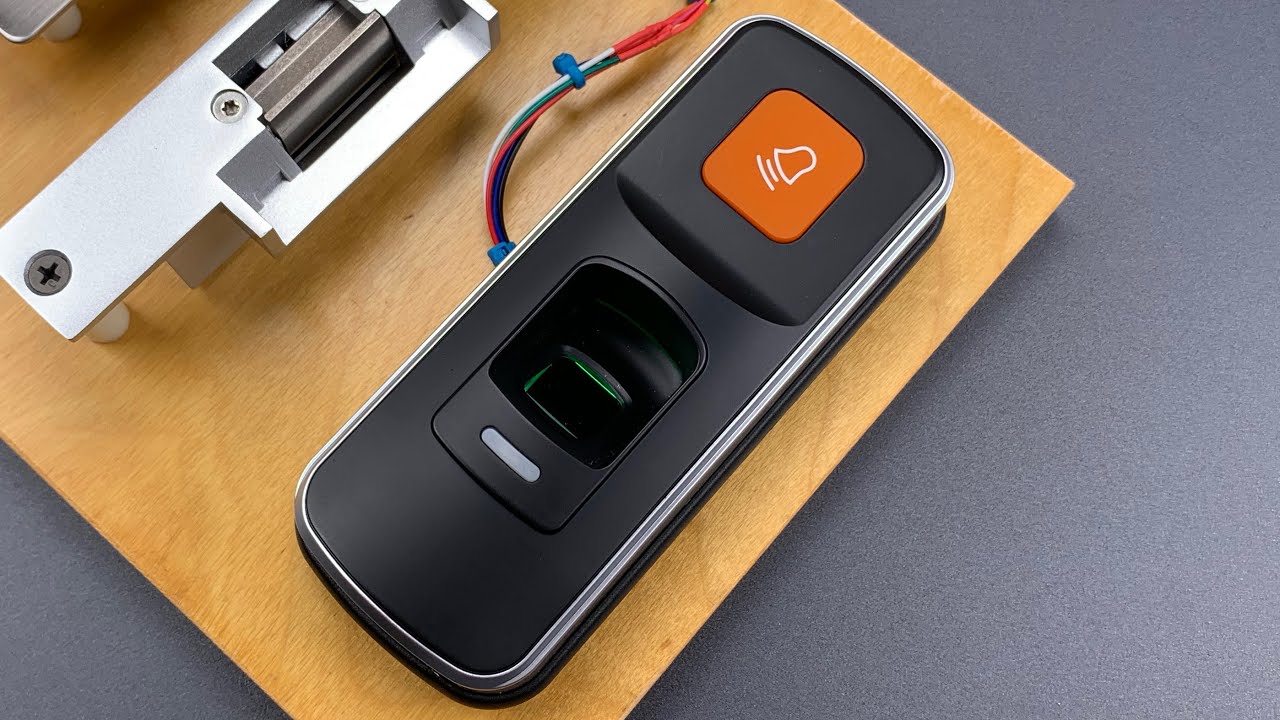
Even the insanely expensive ones. 329 dollars for a lock?? And it is that bad? :
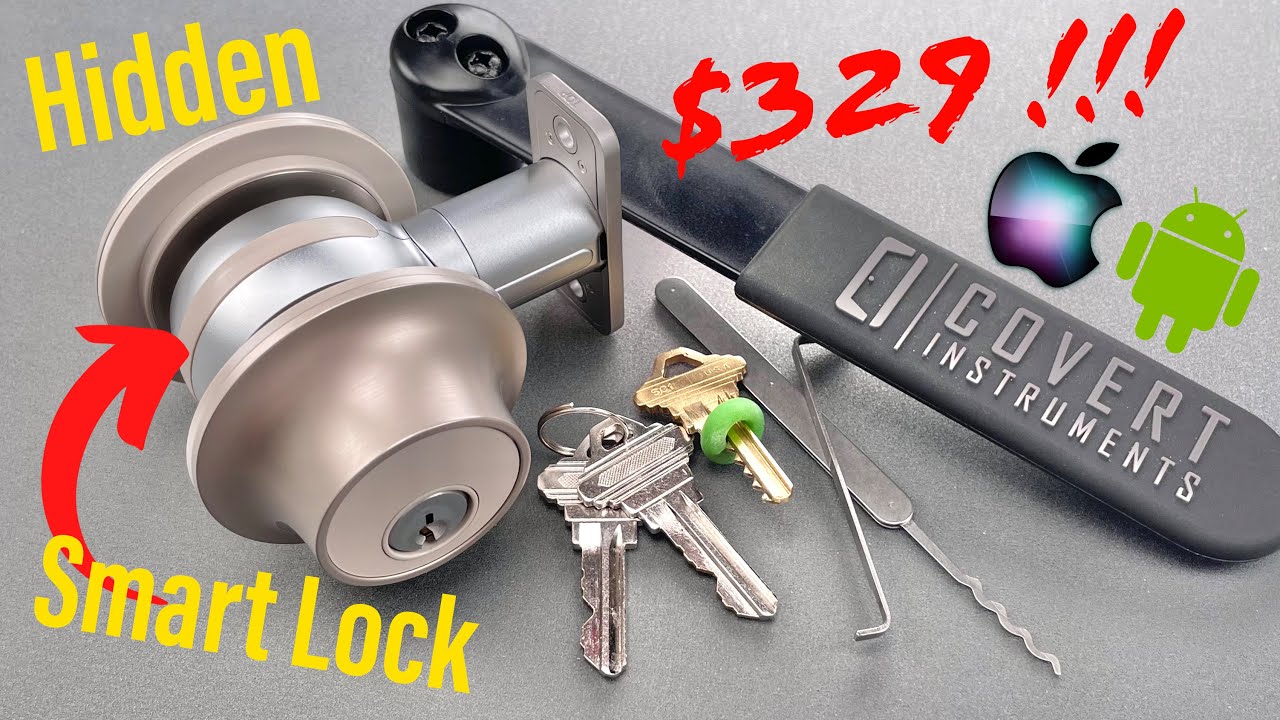
Using a piece of metal string to close the doors seems more secure
Ebooks because i can enlarge the print.
Audiobooks Too.
Stream movies and tv series.
Meanwhile Japanese kawaii forces.

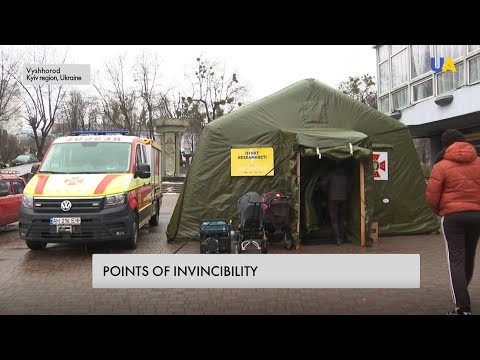
Ukraine is trying to reduce difficulty (from infrastructure damaged by Russian air attacks) of the life of its civilians by providing “points of invincibility”: thousands of rallying locations across the country where people can get some comfort, warmth, food and electricity, to charge their phones, have internet access, watch TV and socialise.
2 Likes