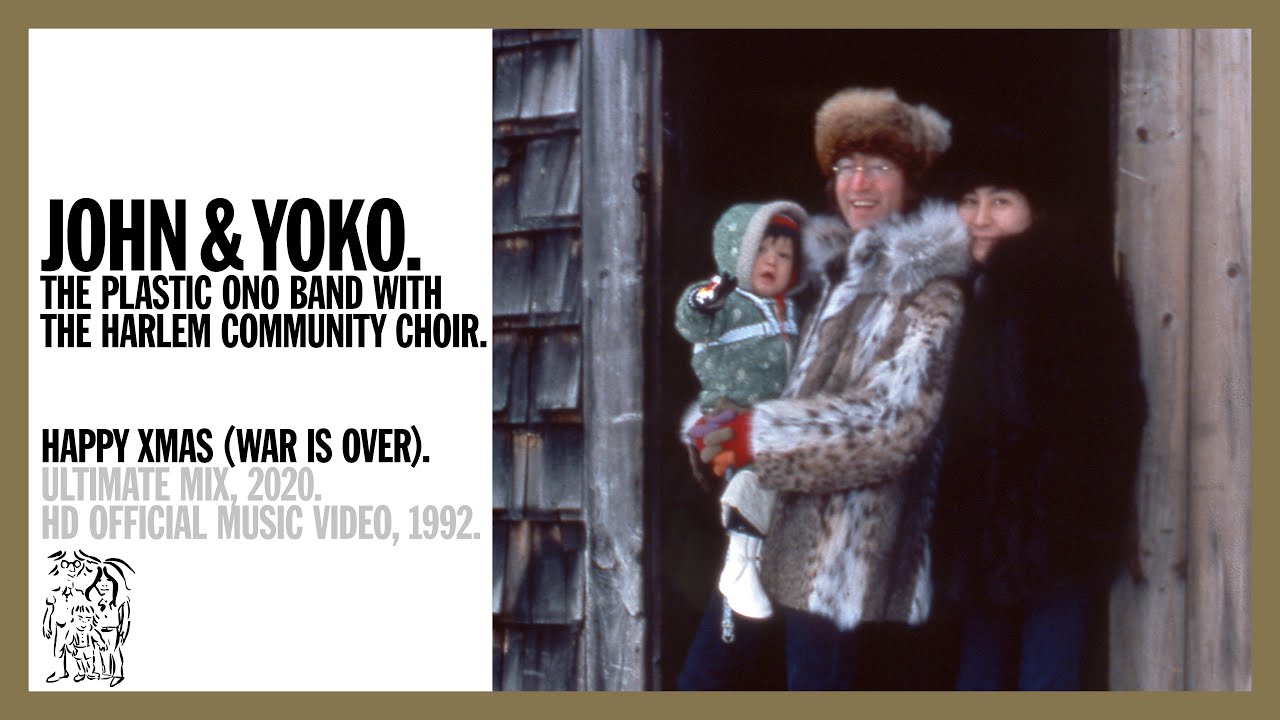
It says “John and Yoko” underneath, so I assume that was paid by Lennon?
2 Likes
I think so too. It’s interesting pic full of Christmas life.
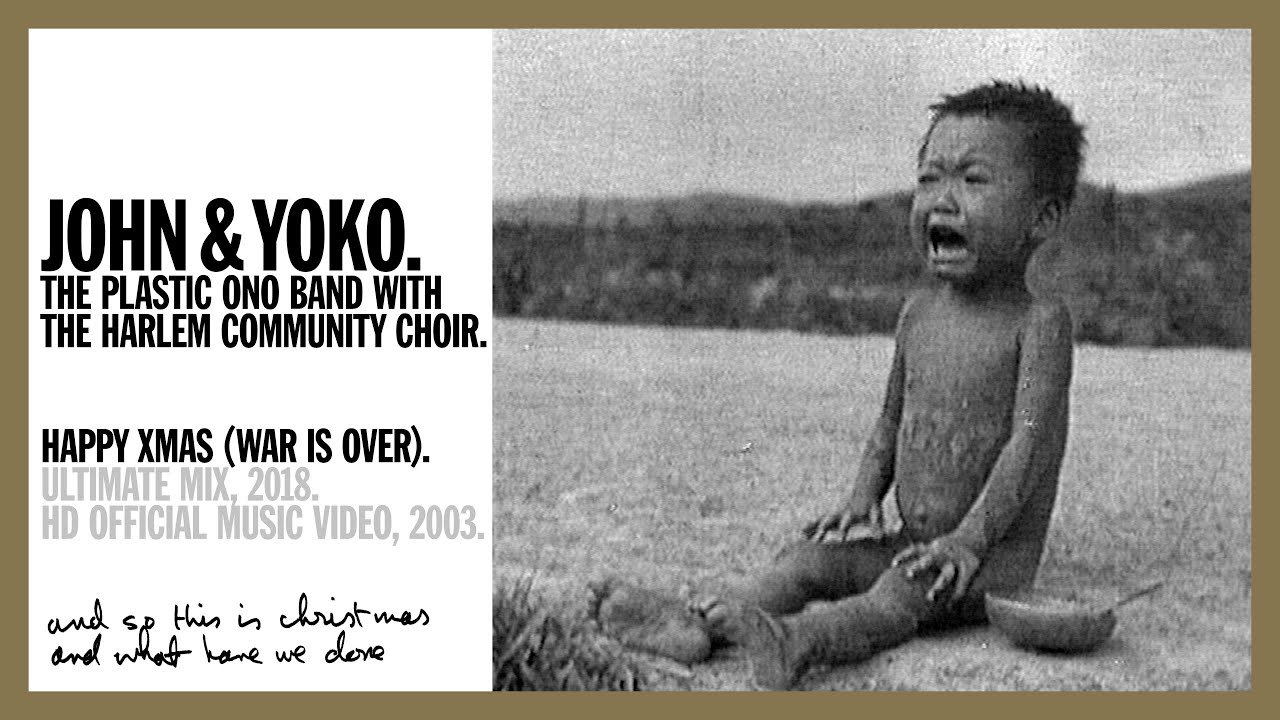
Info:
1 Like
Tolstoy on Napoleon's cold
Many historians say that the French did not win the battle of Borodinó because Napoleon had a cold, and that if he had not had a cold the orders he gave before and during the battle would have been still more full of genius and Russia would have been lost and the face of the world have been changed. To historians who believe that Russia was shaped by the will of one man—Peter the Great—and that France from a republic became an empire and French armies went to Russia at the will of one man—Napoleon—to say that Russia remained a power because Napoleon had a bad cold on the twenty-fourth of August may seem logical and convincing.
If it had depended on Napoleon’s will to fight or not to fight the battle of Borodinó, and if this or that other arrangement depended on his will, then evidently a cold affecting the manifestation of his will might have saved Russia, and consequently the valet who omitted to bring Napoleon his waterproof boots on the twenty-fourth would have been the savior of Russia. Along that line of thought such a deduction is indubitable, as indubitable as the deduction Voltaire made in jest (without knowing what he was jesting at) when he saw that the Massacre of St. Bartholomew was due to Charles IX’s stomach being deranged. But to men who do not admit that Russia was formed by the will of one man, Peter I, or that the French Empire was formed and the war with Russia begun by the will of one man, Napoleon, that argument seems not merely untrue and irrational, but contrary to all human reality. To the question of what causes historic events another answer presents itself, namely, that the course of human events is predetermined from on high—depends on the coincidence of the wills of all who take part in the events, and that a Napoleon’s influence on the course of these events is purely external and fictitious.
Strange as at first glance it may seem to suppose that the Massacre of St. Bartholomew was not due to Charles IX’s will, though he gave the order for it and thought it was done as a result of that order; and strange as it may seem to suppose that the slaughter of eighty thousand men at Borodinó was not due to Napoleon’s will, though he ordered the commencement and conduct of the battle and thought it was done because he ordered it; strange as these suppositions appear, yet human dignity—which tells me that each of us is, if not more at least not less a man than the great Napoleon—demands the acceptance of that solution of the question, and historic investigation abundantly confirms it.
At the battle of Borodinó Napoleon shot at no one and killed no one. That was all done by the soldiers. Therefore it was not he who killed people.
The French soldiers went to kill and be killed at the battle of Borodinó not because of Napoleon’s orders but by their own volition. The whole army—French, Italian, German, Polish, and Dutch—hungry, ragged, and weary of the campaign, felt at the sight of an army blocking their road to Moscow that the wine was drawn and must be drunk. Had Napoleon then forbidden them to fight the Russians, they would have killed him and have proceeded to fight the Russians because it was inevitable.
When they heard Napoleon’s proclamation offering them, as compensation for mutilation and death, the words of posterity about their having been in the battle before Moscow, they cried “Vive l’Empereur!” just as they had cried “Vive l’Empereur!” at the sight of the portrait of the boy piercing the terrestrial globe with a toy stick, and just as they would have cried “Vive l’Empereur!” at any nonsense that might be told them. There was nothing left for them to do but cry “Vive l’Empereur!” and go to fight, in order to get food and rest as conquerors in Moscow. So it was not because of Napoleon’s commands that they killed their fellow men.
And it was not Napoleon who directed the course of the battle, for none of his orders were executed and during the battle he did not know what was going on before him. So the way in which these people killed one another was not decided by Napoleon’s will but occurred independently of him, in accord with the will of hundreds of thousands of people who took part in the common action. It only seemed to Napoleon that it all took place by his will. And so the question whether he had or had not a cold has no more historic interest than the cold of the least of the transport soldiers.
Moreover, the assertion made by various writers that his cold was the cause of his dispositions not being as well planned as on former occasions, and of his orders during the battle not being as good as previously, is quite baseless, which again shows that Napoleon’s cold on the twenty-sixth of August was unimportant.
The dispositions cited above are not at all worse, but are even better, than previous dispositions by which he had won victories. His pseudo-orders during the battle were also no worse than formerly, but much the same as usual. These dispositions and orders only seem worse than previous ones because the battle of Borodinó was the first Napoleon did not win. The profoundest and most excellent dispositions and orders seem very bad, and every learned militarist criticizes them with looks of importance, when they relate to a battle that has been lost, and the very worst dispositions and orders seem very good, and serious people fill whole volumes to demonstrate their merits, when they relate to a battle that has been won.
The dispositions drawn up by Weyrother for the battle of Austerlitz were a model of perfection for that kind of composition, but still they were criticized—criticized for their very perfection, for their excessive minuteness.
Napoleon at the battle of Borodinó fulfilled his office as representative of authority as well as, and even better than, at other battles. He did nothing harmful to the progress of the battle; be inclined to the most reasonable opinions, he made no confusion, did not contradict himself, did not get frightened or run away from the field of battle, but with his great tact and military experience carried out his role of appearing to command, calmly and with dignity. (War and Peace Book 10 Chapter 28, Maude translation)
2 Likes
RIP

2 Likes

Half a billion was morally fine, I guess? 
Dolly Parton died with a net worth of over $450 million, according to estimates.
In such cases the scene from “Robin Hood: Men in tights” plays in my mind, where Dave Chapelle is hoping from one end of the stream to another, though in suchs cases the dialogue is “this is amount of doing thing X is moral, this amount isn’t” and I smile and remember that these are rarely serious people (because somehow it happens that the amount of “thing X” the person is doing themselves always lands on the “moral side” of their estimation, while the amount of “thing X” that other people are doing somehow is “too much” and “immoral”  ) and these are rarely serious issues.
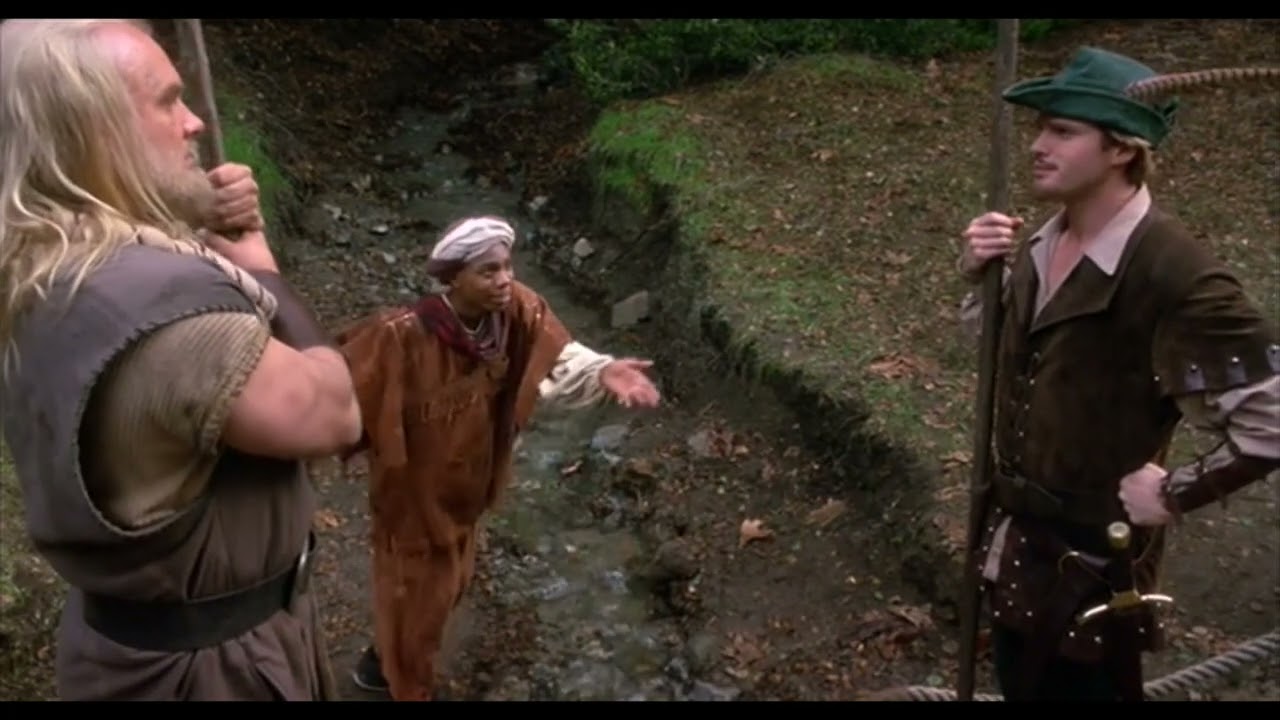
Or maybe Robin Hood is right… that’s not the point, it’s the principle of the thing.
Assuming there is one to be found.
2 Likes
She could have become a billionaire if she didn’t donate so much money.
2 Likes
Yeah, I’ve read about that when I went to check if it was a real quote or a meme and it sounds to me like the typical thing rich people would spread around to keep normal people from resenting them. “Having a billion is not moral”, but somehow having half a billion is fine, is not something that can be taken very seriously in terms of adjusting our moral compass.
Add to this the fact that a lot of “philanthropy” nowadays is just an elaborate tax write-off, I am not very keen to buy into the whole thing.
As far as I can tell, the last time a philanthropist with a similar net worth died during my lifetime was this:
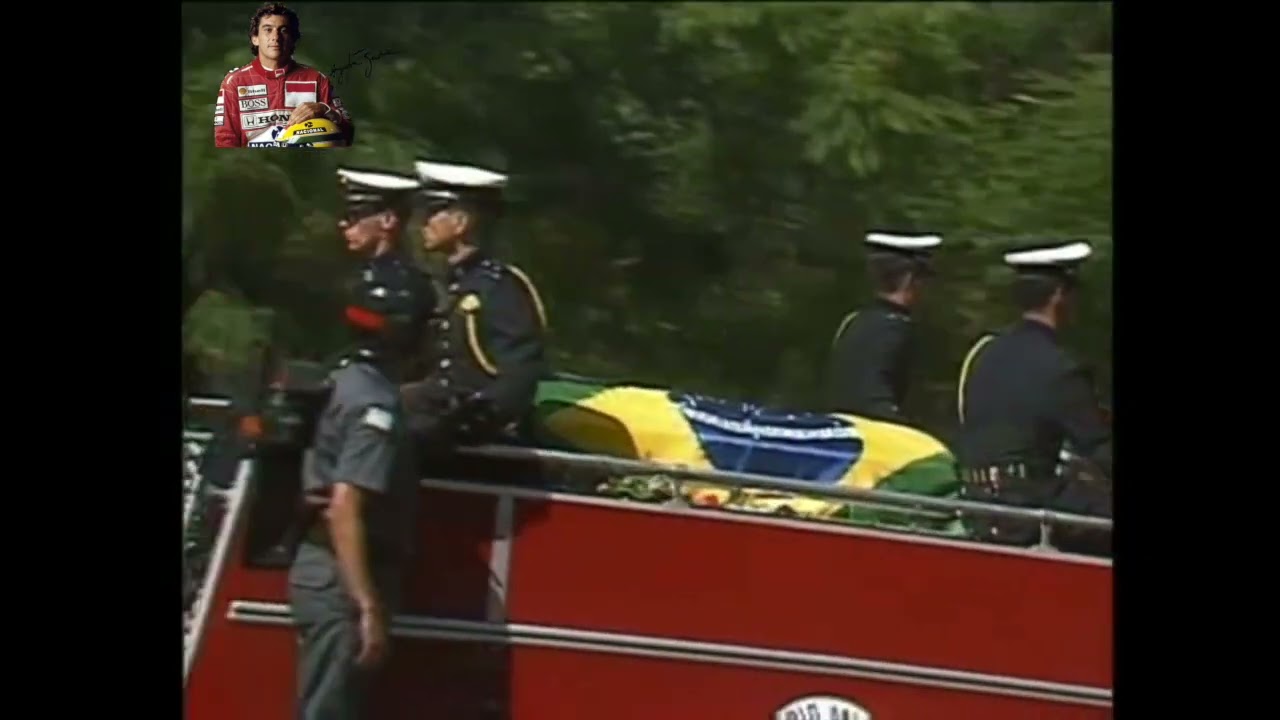
Somehow his funeral got three days of national mourning, a parade through a major city, the military flying airplanes overhead and a million people went to the streets to say goodbye to their benefactor, while the rest of the crestfallen country watched the funeral on the TV. Now, that’s the kind of send-off a person that “could have been a billionaire, but gave half their money to improve the lives of others” takes, due to the real contribution half a billion dollars brings to the lives of people in need.
Can’t say I’ve seen another funeral like that in my lifetime ever since, even though far richer and far more reknown philanthropists have departed the world of the living. Maybe people have become more ungreatful? Could be…Though, somehow, I doubt that’s the explanation.
1 Like
If the quote is real, I don’t know its origin or its context. Perhaps she judged that being a billionaire and not giving anything would be immoral, but earning a billion and giving half of it is moral enough. Why not?
1 Like
So… it seems that it’s not provable that Dolly Parton really said what the quote above alleges, but apparently she was a decent person, unlike many others.
See also:
1 Like
Quite so, I didn’t manage to find it either, so it was most probably a marketing creation, especially considering that the meme has existed for quite a bit, but noone ever bothered to set the record straight while she was alive.
That seems perfectly reasonable…
…but this begs the question if one billion is immoral, but half a billion is not, then what is the amount of money where the threshold from “moral to immoral” is crossed?
As far as I can tell, such cases are a bit like the average person’s viewpoint about driving on the road which is: “Everyone driving slower than me is a slowpoke and everyone driving faster than me is a maniac”.
Similarly, for quotes like these, everyone having more money than you is immoral, while everyone having as much as you do, is quite moral indeed. The more money you acquire, the more the levels of morality are being raised.
Another funny and recent example is this:

– … and we hate the rich!
– Aren’t you the rich?
– Nooooo! Like the ULTRA-rich! The ultra-giga rich. The unecessarily rich.
Her net worth is estimated between 6 and 25 million dollars.
Her millions are moral and “necessary”. In constrast, the “ultra-rich” people’s millions are more than hers, so those are immoral, “unnecessary” and thus an object of hate.
How convenient, eh?
I have no problem with it, at all, by the way. Regardless of whether she did give all that money or if she didn’t, it makes no difference to me. I never met that person and I have no knowledge of her character and behaviour, therefore I have no opinion about her morality. The opinion I expressed was on the supposed quote.
I have to say that the Guardian article seems much more humane. The first one seems to imply that they whole thing was just a big business decision, a life-long scale long-term strategy of generating athenticity. I have no knowledge on that particular case, so I can’t really say which article is closer to the truth.
On something funny about artistic philanthropy though, in general, quite a few years ago a local artist here called Panousis, who is sadly also dead, poked fun at the whole scheme of philanthropy or, as it was at that point known here as “αφιλοκερδώς” which is interpreted as “working without profit and giving the proceedings to charity”.
In that small clip he explains that the trick is simple and twofold:
a) Not for profit, does not mean that you will be puting money out of your own pocket. The expensed need to be paid first and within those expenses lie a lot of things
b) in a normal show if he has to rent the sound equipment, that would cost 1 million drachmas (yes, it is a bit of an old clip), however if he wanted to rent the same equipment for a “philanthropic” venture, then the equipment would cost 17 million, and the remaining 16 million would go to “charity” (and in the video he makes the greek hand-gesture of swiping money. Yes, of course we have a specific gesture for that  )
)
Who is going to bother to check after all, eh?
1 Like
Some analysis and aftermath videos about the Nepal flash flood catastrophe
So many lives have been lost 
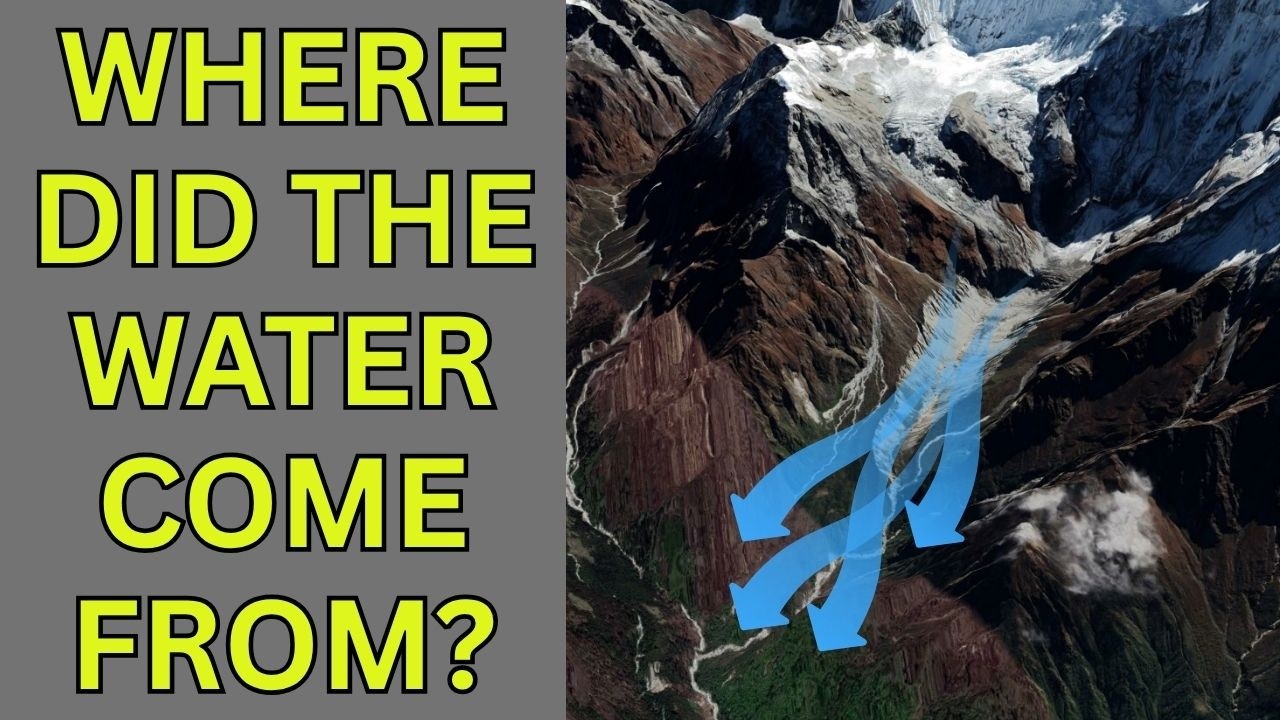
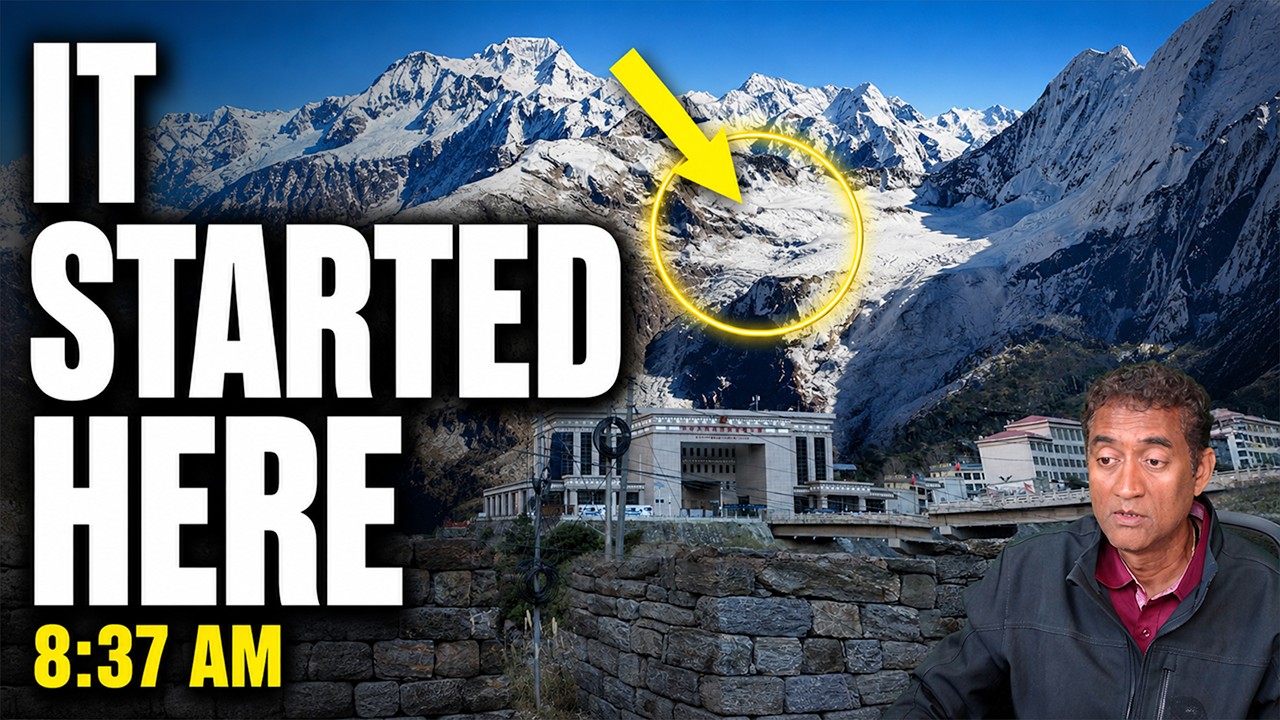
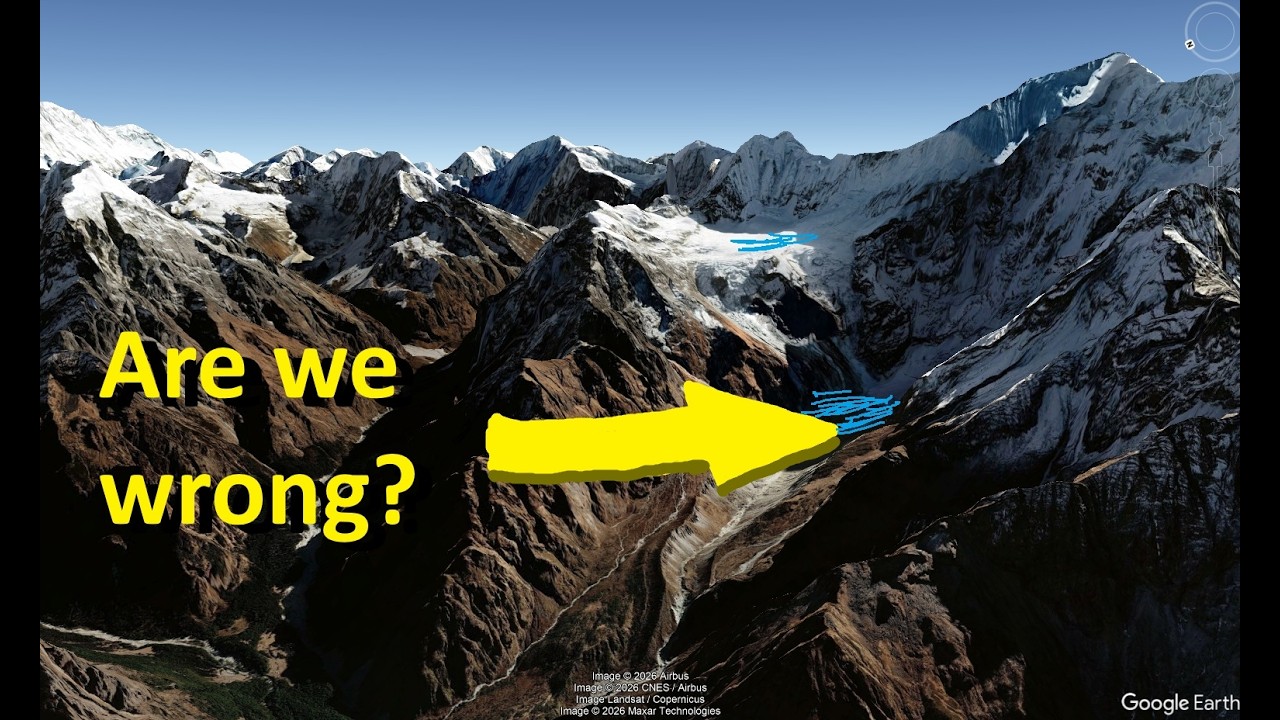
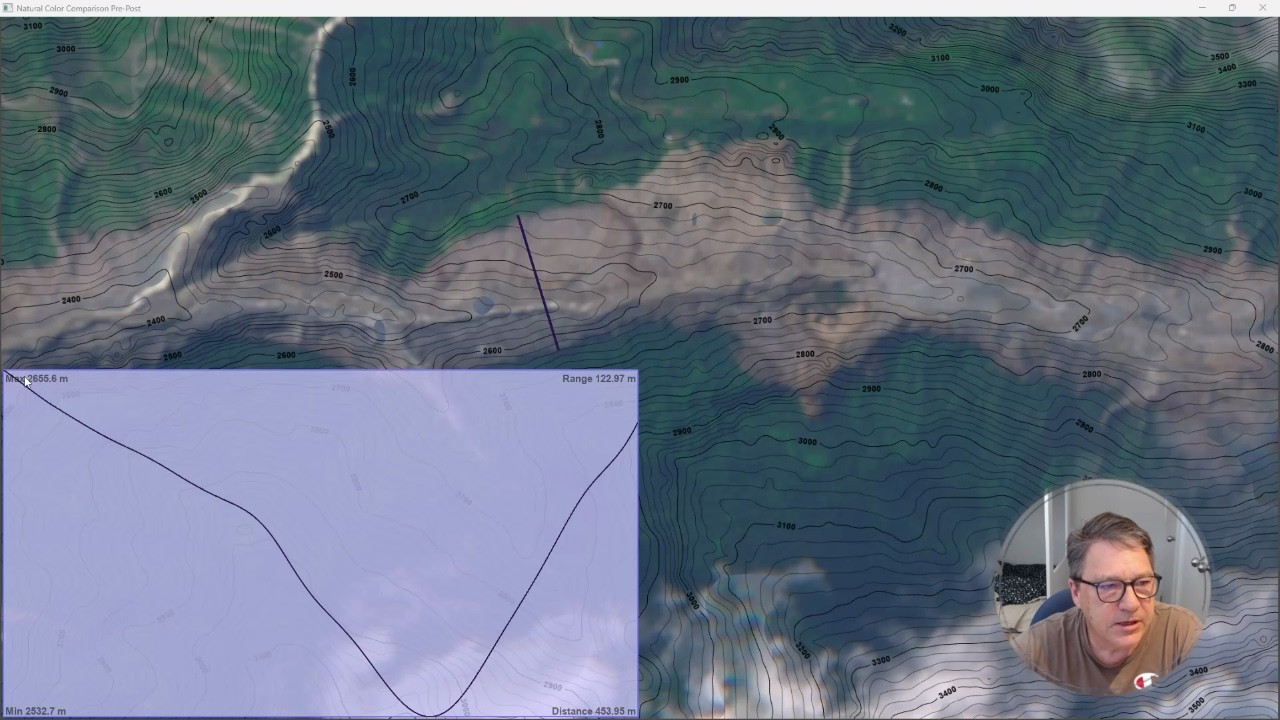
Imagine, in the narrowest valleys, the wave of mud, rubble and debris rose to ~150 METERS (~492 ft)  and rushed through there at speeds of ~190 km/h (~120 mp/h) according to another analysis video, and scraping the walls of the valley down to the rock.
These numbers are almost unbelievable, and it’s not surprising that this cost so many lives
But we must be prepared for similar things to happen in all other mountain ranges also in the next years.
Cleaning up begins in Gyirong Port, you’ve sure seen the horrible CCTV video of how the wave hit the huge building at the border between Tibet/China and Nepal, now there is NOTHING left of it, it’s all scraped down to the base:

1 Like
Surveillance without trojans: How authorities read WhatsApp and Signal
Leaked files show customs and BKA hijack messenger accounts via official web tools. The legally risky method resembles foreign cyberattacks.
1 Like
This is amazing…

…though it begs the question “what happened to the original/other mirrors?” since 2012?
1 Like
I was considering getting the new foldable iPhone, but I’m so disappointed that it doesn’t come with FaceID. I’m paying so much but still no FaceID??
This I consider progress. I miss TouchID a lot on my phone. FaceID doesn’t work in the morning in bed or during the day if I have no glasses on.
I’m torn, TBH.
TouchID can be used by scoundrels when I’m unconscious or if they cut off my finger, and FaceID can will be used when things go bad to get my facial biometrics.
Oh wait, I actually suspect the latter is happening already (and yes, I still use FaceID and TouchID  ).
).
1 Like
I thought it works if you register your face without your glasses? At least it worked for me and I could even wear sunglasses.
1 Like
You reminded me of “Demolition Man” and how Simon Pheonix escapes prison (he put the warden’s eye on a pen and used the biometrics. The scene exists on YT, but I am not linking it here it is a bit gruesome).
If you are captured by scoundrels, I’d rather get punched in the gut to tell them my PIN, instead of losing bodyparts.
2 Likes