That was an interesting read and know I have I wish I was a little bit taller, I wish I was a baller stuck in my head.
I didn’t understand the last paragraph about “have got”, though.
1 Like
Yeah I kind of skimmed that part of it- I think that paragraph is a little out there as this is the first time I’ve heard of “have got to” being a midwest-specific thing. N.b. am a midwesterner 
Yes, I’d forgotten those. I don’t have access to books here. My vague memory is that the -uu- spelling typically starts appearing from the mid first century B.C., although -uo- survives a bit. Of course it could be that the spelling was changed to agree with analogous forms and the pronunciation continued to be -uo-. These adjectives also throw up some interesting form variations like mortus and perpetus, which, whatever their origin, avoid the repetition.
2 Likes
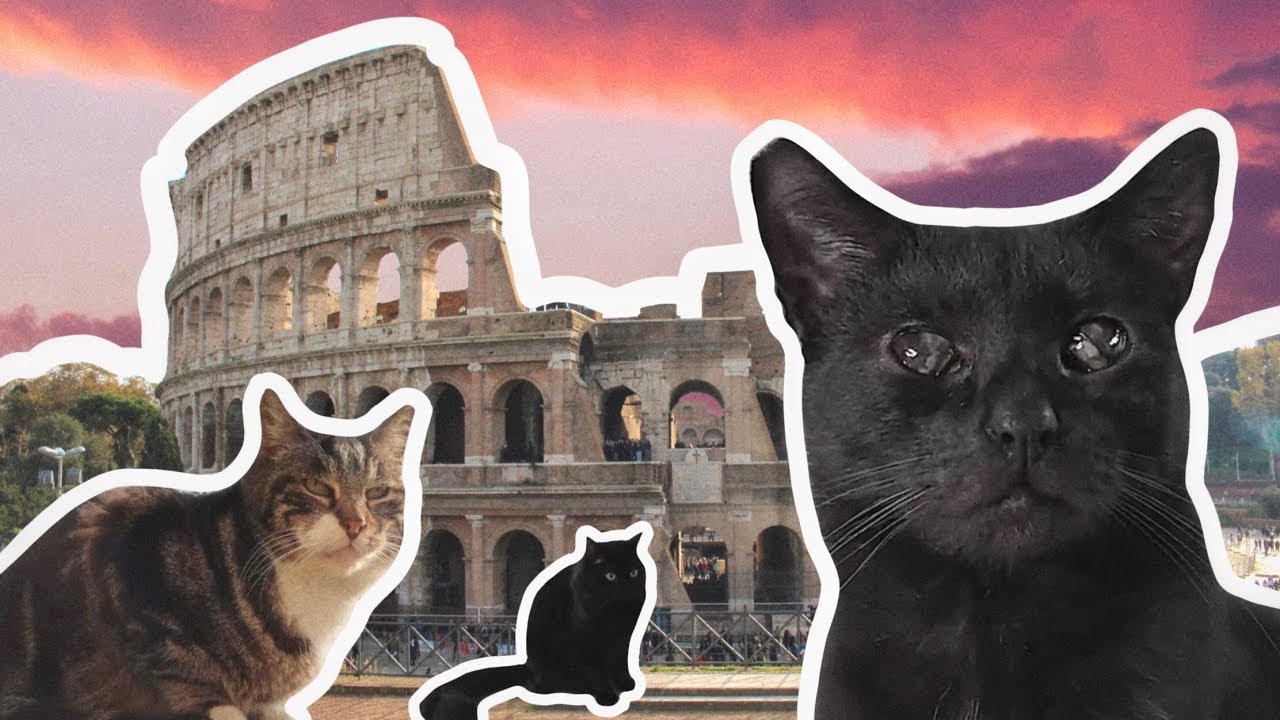
A little Italian cat song.
1 Like
When do we start seeing -uWu-?
2 Likes
Around 700 CE in Old High German texts, we see Uuords starting with a double-u quite often. The quadruple uWu comes up in the early 2000s.
„Dat gafregin ih mit firahim firiuuizzo meista
Dat ero ni uuas noh ufhimil
noh paum noh pereg ni uuas
ni […] nohheinig noh sunna ni scein
noh mano ni liuhta noh der mareo seo
Do dar niuuiht ni uuas enteo ni uuenteo
enti do uuas der eino almahtico cot
manno miltisto enti dar uuarun auh manake mit inan
cootlihhe geista enti cot heilac […]
Cot almahtico, du himil enti erda gauuorahtos enti du mannun so manac coot forgapi forgip mir in dina ganada rehta galaupa enti cotan uuilleon uuistom enti spahida enti craft tiuflun za uuidarstantanne enti arc za piuuisanne enti dinan uuilleon za gauurchanne“
2 Likes
Right, this year I decided to give another go Anki. I dislike Anki because you need to do it every day thus turning learning into a chore. Cramming with breaks is much more my style.
I got a free vocabulary deck online (and couple others). And yeah, it’s much easier to go through it when you vaguely know a lot of words and readings compared to completely new things. I relatively quickly went through N5-N3 levels in which words aren’t particularly hard, still a lot of troubles with synonyms. Now N2 words are noticeably harder, this is where the pushing the limit begins.
Maybe I should get a textbook. But it’s difficult to find a good one, they’re either crappy or academic.
I noticed some textbooks are trying to teach you foreign language through the prism of Russian language, like using Russian linguistics terms. Which is weird but maybe you could do it. But they’re written for people with linguistics degrees because no normal Russian knows at all or remembers from school terms they’re using.
1 Like
Zhi shi

But yeah, save the cats ^ω^
https://en.wikibooks.org/wiki/Latin
I found this. My experience, though, has taught me to have a low expectation of wikibooks.
This was on the front page of Wikipedia yesterday:
1 Like
The Marciana is a wonderful place! We were shown an Iliad-manuscript when we were there on a field trip.
1 Like
I think learning languages is hard. That’s why it’s important have pessimistic outlook. Most likely, it’s going to be many-year struggle, entirely possible you’ll quit altogether. And even if not, you’ll be nowhere near fluent. Accepting just how hard the task is before us allows us to treat any progress as a victory and not be burdened by unrealistic expectations. Once we’ve done that, there’s no tension, no pressure. You can’t fail at reaching your goal if you have no goal. There’re no disappointments, you aren’t easily discouraged. Even if you quit, you don’t feel bad about it, since that was the default outcome anyway. And you can easily get back into it if you feel like it, because there’s no underlying feeling of previous failure.
Of course, on the other hand, well-advertised positive thinking is detrimental. If you approach the task with “this is easy”, “I can do it” attitude then the default outcome in your mind is succeeding. But unbeknownst to you, you’re setting yourself up for failure. Because with this attitude every missed goal, every forgot word is a failure, is a blow to you confidence. After all, if the task is easy, it’s only your fault if you fail. You’ll lose motivation, quit and end up being a homeless alcoholic. It’s an entirely unacceptable attitude.
This is why we need to fight against Western forced positivity, and accept hopelessness. Don’t expect anything, don’t set any goals either, and reach happiness.
Applies to go too.
2 Likes
In didactics, we learn that students will attribute the reason for their successes and failures along this model:
Internal + stable: “the reason was within myself, and I can’t change it” e.g. my own stupidity.
Internal + variable: “the reason was within myself, and I can change it” e.g. my attitude about the matter.
External + stable: “the reason is outside myself, and can’t be changed” e.g. the teacher can’t teach, I have to get up too early for school so I’m tired.
External + variable: “the reason is outside myself, and changes” e.g. a headache, bad weather, good weather.
The American pronunciation of buoy to rhyme with gluey riles me a bit.
In British English it’s homophonous to boy.
/bu:i:/ sounds instinctually ridiculous to me. It’s a pretty rare word-final vowel combination in English, although it’s also in gluey (as said), chewy, gooey, the acronymic pronunciation of GUI, one pronunciation of Ruy, and other such fringe vocabulary.
Also, I don’t think the /u:i:d/ of American buoyed occurs in any other formal English word. /bu:i:d/ is even stranger to me than plain /bu:i:/. Then again, /oid/ words aren’t that common outside of the -oid suffix. The main rhyme is cloyed.
1 Like
Let’s study the the Livery Companies of the City of London.
Each Livery Company is an association of professionals or tradesmen in a certain employment. They are ordered by the precedence of their establishment.
There are currently 110 Companies. These can apparently be separated into an older set founded in the 14th–17th C.s and a younger set founded in the 20th and 21st C.s. The younger set begins with the 78th Company, the Honourable Company of Master Mariners.
| Prec. | Company | Etymological root |
|---|---|---|
| 1 | Mercers | Latin merx (merchandise) |
| 2 | Grocers | Medieval Latin grossus (unrefined), as in wholesale? |
| 3 | Drapers | M.L. drapus |
| 4 | Fishmongers | Old English fisċ |
| 5 | Goldsmiths | O.E. gold |
| 6 / 7 | Skinners | Old Norse skinn |
| 6 / 7 | Merchant Taylors | L. merx, tālea (a cutting) |
| 8 | Haberdashers | Anglo-Norman habertas (small goods)? |
| 9 | Salters | O.E. sealt |
| 10 | Ironmongers | O E. īren |
| 11 | Vintners | M.L. vīnētārius |
| 12 | Clothworkers | O E. clāþ |
| 13 | Dyers | O.E. dēag |
| 14 | Brewers | O.E. brēowan |
| 15 | Leathersellers | O.E. leþer |
| 16 | Pewterers | Old French peautre |
| 17 | Barbers | L. barba (beard) |
| 18 | Cutlers | L. culter (knife) |
| 19 | Bakers | O.E. bacan |
| 20 | Wax Chandlers | O.E. weax, L. candēlārius |
| 21 | Tallow Chandlers | Middle English talugh |
| 22 | Armourers and Brasiers | L. armātūra (armour), O.E. bræs |
| 23 | Girdlers | O.E. gyrdel |
| 24 | Butchers | M.L. buccus (male goat) |
| 25 | Saddlers | O.E. sadol |
| 26 | Carpenters | L. carpentārius |
| 27 | Cordwainers | Spanish Córdoba, from the leather from that city |
| 28 | Painter–Stainers | L. pingo (to paint), O.N. steinn (mineral, stain) |
| 29 | Curriers | L. coriarus (tanner) |
| 30 | Masons | L. macio (mason) |
| 31 | Plumbers | L. plumbārius |
| 32 | Innholders | O.E. inn |
| 33 | Founders | L. fundo (cast) |
| 34 | Poulters | L. pullus (chicken) |
| 35 | Cooks | L. cocus (cook) |
| 36 | Coopers | M.E. cupe (barrel), from O.E. cȳpe or Middle Dutch cûpe |
| 37 | Tylers and Bricklayers | O.E. tiġle, M.D. bricke |
| 38 | Bowyers | O.E. boga (bow) |
| 39 | Fletchers | O.F. fleche (arrow) |
| 40 | Blacksmiths | O.E. blæc |
| 41 | Joiners and Cellers | L. jungo (join), and presumably cella (room) |
| 42 | Weavers | O.E wafian (to wave) |
| 43 | Woolmen | O.E. wull |
| 44 | Scriveners | L. scrība (scribe) |
| 45 | Fruiterers | L. frūx (fruit) |
| 46 | Plaisterers | L. plastrum (bandage) |
| 47 | Stationers and Newspaper Makers | M.L. statiōnārius |
| 48 | Broderers | O. F. broder (embroider) |
| 49 | Upholders | M.E. upholden |
| 50 | Musicians | L. mūsica, from Greek μουσῐκή |
| 51 | Turners | L. tornus (lathe) |
| 52 | Basketmakers | Late Latin bascauda (kettle) |
| 53 | Glaziers and Painters of Glass | O.E. glæs |
| 54 | Horners | O.E. horn |
| 55 | Farriers | L. ferrārius (blacksmith) |
And now the younger half, without etymological explanation.
| Prec. | Company | AKA |
|---|---|---|
| 56 | Paviors | pavers |
| 57 | Loriners | equestrian suppliers |
| 58 | Apothecaries | |
| 59 | Shipwrights | |
| 60 | Spectacle Makers | |
| 61 | Clockmakers | |
| 62 | Glovers | glove makers |
| 63 | Feltmakers | makers of felt hats |
| 64 | Framework Knitters | |
| 65 | Needlemakers | |
| 66 | Gardeners | |
| 67 | Tin Plate Workers aka Wire Workers | |
| 68 | Wheelwrights | |
| 69 | Distillers | |
| 70 | Pattenmakers | makers of wooden shoes |
| 71 | Glass Sellers | |
| 72 | Coachmakers and Coach Harness Makers | |
| 73 | Gunmakers | |
| 74 | Gold and Silver Wyre Drawers | threadmakers |
| 75 | Makers of Playing Cards | |
| 76 | Fanmakers | |
| 77 | Carmen | drivers |
| 78 | Master Mariners | |
| 79 | Solicitors | |
| 80 | Farmers | |
| 81 | Air Pilots | |
| 82 | Tobacco Pipe Makers and Tobacco Blenders | |
| 83 | Furniture Makers | |
| 84 | Scientific Instrument Makers | |
| 85 | Chartered Surveyors | |
| 86 | Chartered Accountants | |
| 87 | Chartered Secretaries | |
| 88 | Builders Merchants | |
| 89 | Launderers | |
| 90 | Marketors | |
| 91 | Actuaries | |
| 92 | Insurers | |
| 93 | Arbitrators | |
| 94 | Engineers | |
| 95 | Fuellers | |
| 96 | Lightmongers | electric lighting suppliers |
| 97 | Environmental Cleaners | |
| 98 | Chartered Architects | |
| 99 | Constructors | |
| 100 | Information Technologists | |
| 101 | World Traders | |
| 102 | Water Conservators | |
| 103 | Firefighters | |
| 104 | Hackney Carriage Drivers | black cab taxi drivers |
| 105 | Management Consultors | |
| 106 | International Bankers | |
| 107 | Tax Advisors | |
| 108 | Security Professionals | |
| 109 | Educators | |
| 110 | Arts Scholars |
I should stop posting in here for a bit, don’t want to bump-spam.

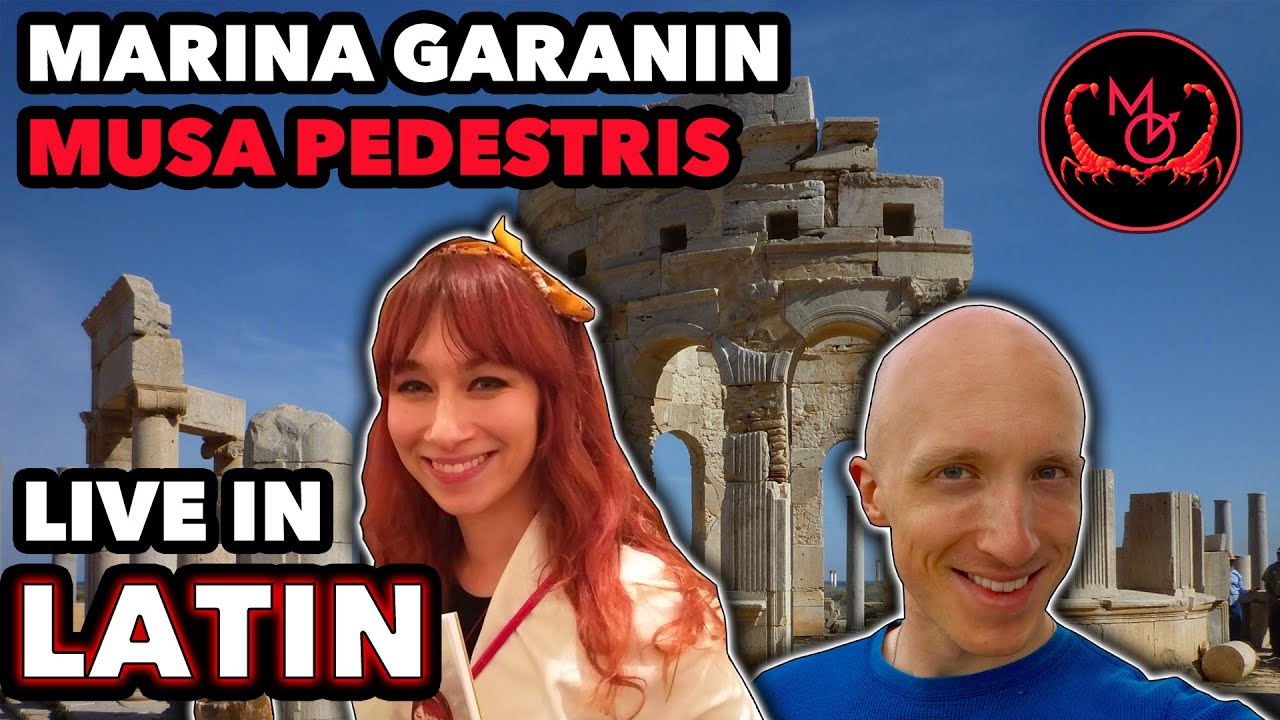
In the comments of the second video we find out how long Luke has been studying Latin: since 2005!
1 Like
Did you know that the United Nations has declared seven official language celebration days?
These are for their six official languages and also Portuguese.
| Celebration | Date | Reason |
|---|---|---|
| UN French Language Day | 20 March | International Francophonie Day |
| UN Chinese Language Day | 20 April | “in honour of Cang Jie” |
| UN Spanish Language Day | 23 April | in honour of Miguel de Cervantes (death) |
| UN English Language Day | 23 April | in honour of Shakespeare (birth) |
| UN Portuguese Language Day | 5th May | |
| UN Russian Language Day | 6th June | in honour of Pushkin (birth) |
| UN Arabic Language Day | 18 December | day of UN adoption of Arabic as an official language |
1 Like
Latin doesn’t have many words in any form where two identical vowels follow each other without a consonant to separate them.
Why are you excluding the very common -iī inflection of the -ius root?
eg. filius (the son), filii (the sons, the son’s, you sons), filiis (from the sons)
Apart from Sanonius’ mention of uu, there are also several (albeit obscure) words that end -aeae, although that isn’t exactly a vowel repetition.
1 Like